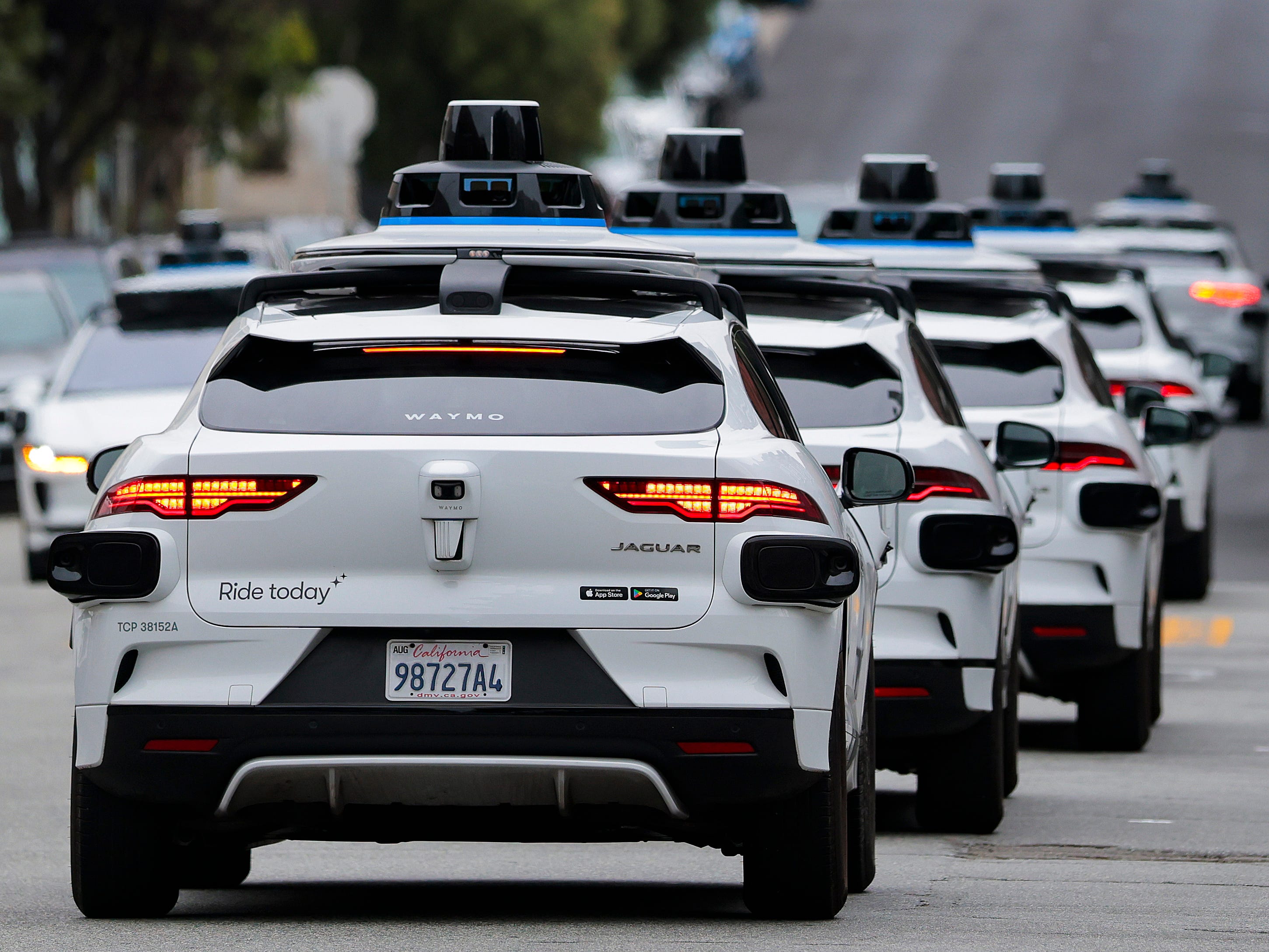
Lyft riders in Nashville can now get matched with a Waymo robotaxi, but the more interesting part of the deal is happening behind the scenes. Lyft isn’t just supplying customers; it’s effectively becoming Waymo’s pit crew.
Starting Wednesday, Waymos in Nashville are available through both companies’ apps, according to Axios. That’s notably different from Waymo’s arrangement with Uber in Austin and Atlanta, where customers can only hail the autonomous vehicles through Uber. Lyft’s Flexdrive subsidiary will manage the Nashville fleet, regardless of which app books the ride.

That means charging, cleaning, and maintaining hundreds of Waymos, with Lyft preparing an 80,000-square-foot depot for the task that’s scheduled to open this fall. More importantly, the cars can be dynamically dispatched between the two apps depending on demand, location, and available supply. “The thing we will hold ourselves most accountable to … is the utilization being high, regardless of what app it’s on,” Lyft executive vice president Jeremy Bird told Axios. In other words, Lyft can make money with Waymo without demanding that riders use its app.
That distinction could become increasingly important. Waymo’s relationship with Uber appears to be getting more complicated as the two companies’ ambitions overlap; Waymo ended a three-year Uber pilot in Phoenix earlier this year, and the Financial Times reports that Waymo has told Uber it intends to launch its own app in Austin and Atlanta in January 2028, when its current contractual restrictions expire.
Lyft, meanwhile, appears happy to work in the background. Its Flexdrive division already has experience managing fleets after Lyft acquired the company in 2020 to provide rental vehicles to drivers. Robotaxis remove the driver, but they certainly don’t eliminate the need to charge, clean, maintain, and reposition cars. “We want to prove this model in Nashville and then take it to scale,” Bird said.

That potentially gives both companies something useful: Waymo keeps its brand and its direct relationship with customers while gaining Lyft’s riders and fleet infrastructure when needed; Lyft gets a piece of the growing robotaxi business even when the person riding in one never touches the Lyft app. Evidently, sometimes being a smaller ride-hailing company has its advantages.