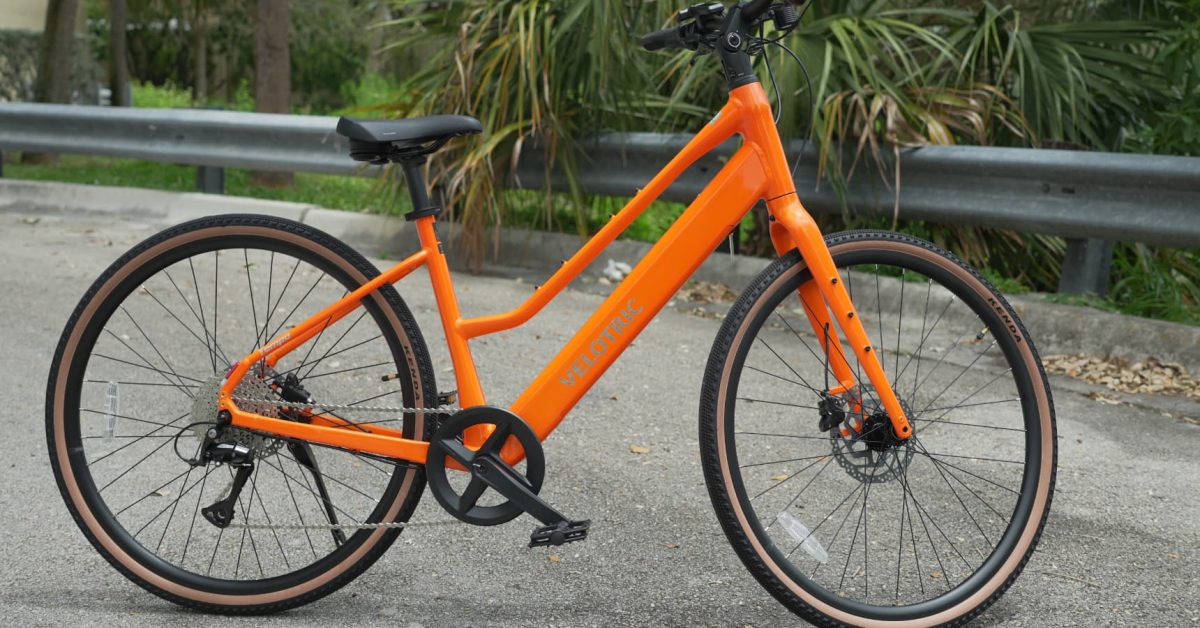
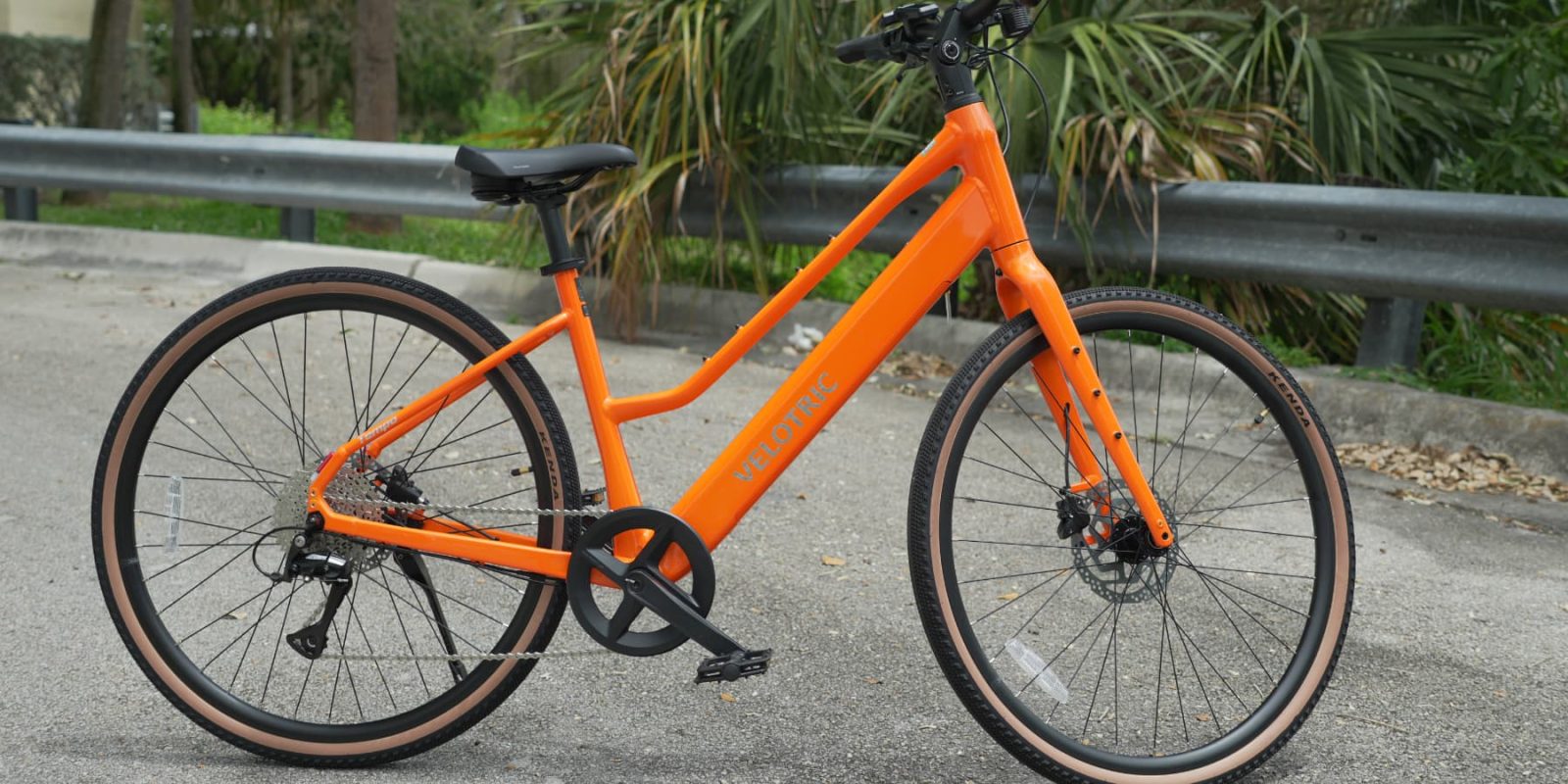
There’s a growing category of electric bikes that seem designed less around raw power and more around simply being pleasant to ride. They’re lighter, cleaner-looking, easier to pedal, and more focused on enhancing the cycling experience instead of replacing it.
After spending time testing the new Velotric Tempo, I think this bike fits squarely into that category.
The Tempo isn’t trying to be a high-powered fat tire monster or a pseudo-motorcycle disguised as a bicycle. Instead, it feels like Velotric intentionally built a lightweight, approachable commuter and fitness-oriented e-bike that still rides like a bike first and an e-bike second.
I’d say that it’s an approach that works well here.
But seeing is believing, so feel free to check out the video review below, then keep reading for even more on this fun e-bike!
Velotric Tempo Review: An E-Bike that Feels Like a Dream
A Lightweight Feel Makes a Big Difference
One of the first things I noticed on the Tempo was just how easy the bike felt to ride. The relatively lightweight design pays dividends immediately, especially compared to the increasingly chunky commuter e-bikes we’ve been seeing lately.
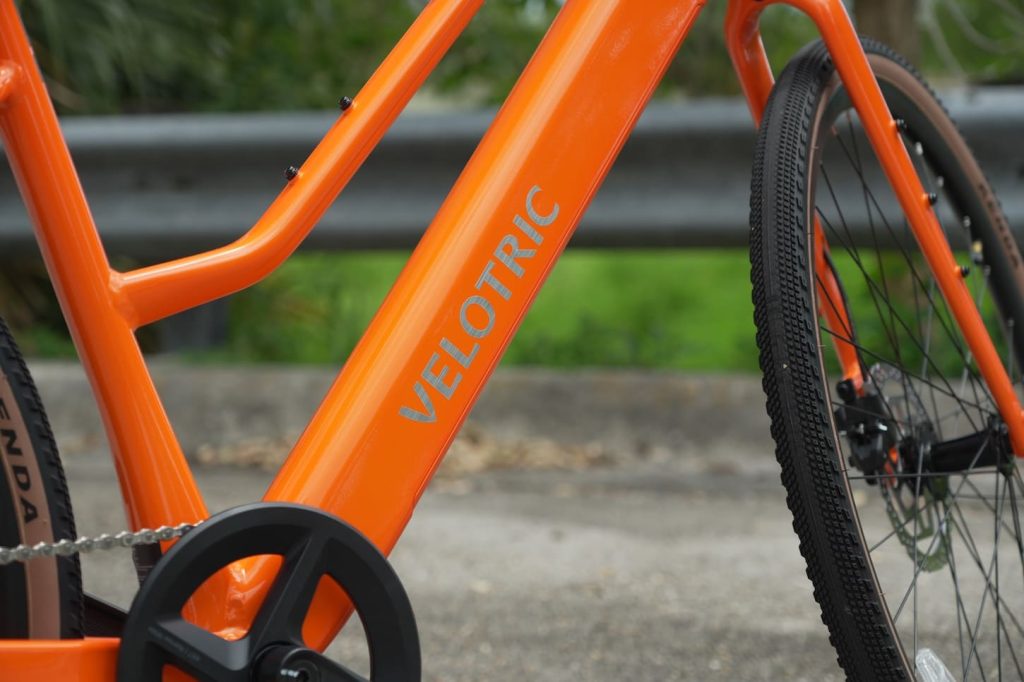
Acceleration is smooth, handling feels predictable, and the bike tracks nicely at speed without feeling twitchy or overly heavy in corners. The 700x42c tires are a big part of that efficient feel with their large diameter and minimal rolling resistance. But the bike’s overall lightweight design, tipping the scales at a mere 39 lb (17.7 kg), is also a big part of the equation. It’s the kind of e-bike that feels natural after just a few minutes. And if you’re coming from a cycling background already, this will feel more like a pedal bike than the big ol’ fat tire e-bikes we so commonly see these days.
A lot of that easy-going feeling comes down to the overall efficiency-focused design. Velotric paired the bike with a modest 350W rear hub motor, and while that means you’re not getting arm-stretching acceleration, it also means the bike stays lighter and more manageable.
Personally, I think that’s the right call for this type of bike. It feels like what I want on a relaxed day - not for a fever-pitched, cross-city, hill-climbing dash.
Would I mind a bit more power on steep climbs? Sure. But the tradeoff here results in a bike that pedals extremely well and doesn’t feel cumbersome if you ride with lower assistance levels or with the motor turned off. And yeah, you’re still getting decent assistance on hills. But it’s the natural ride feel that really shines through when you shed all the bulk.
And that’s where I think the Tempo really shines - as a bike that you pedal instead of just throttling around like a motorbike. There are other great models for that, and it’s a fine way to get around. But the Tempo is much closer to the cycling end of the e-bike spectrum, at least in my book.
Don’t get me wrong; I love throttles. I think they’re a great piece of safety equipment for the times you over-exert and just want to relax a bit on the last few miles back home, or if you get hurt on a ride and can’t pedal well on your own. So I’m glad the throttle is there, but this kind of bike makes you want to enjoy pedaling as much as you can.
An Excellent Option for Fitness-Focused Riders
There’s a growing number of riders who want an e-bike not because they want to stop pedaling, but because they want to keep riding farther, more often, and with a little assistance when needed.
The Tempo feels almost purpose-built for that type of rider.
This is the kind of bike that encourages you to contribute meaningful pedal effort while still smoothing out hills and headwinds. The lighter weight and efficient rolling feel make it genuinely enjoyable to pedal instead of relying heavily on the motor all the time.
Velotric’s SensorSwap system helps here too. Riders can switch between cadence sensing and torque sensing modes depending on the experience they want.
I spent almost all my time riding in torque sensor mode because it simply feels more natural to me. Power delivery feels smoother and more intuitive, especially for fitness-style riding where you actually want the bike responding proportionally to your effort.
Still, it’s nice that riders have the option to switch modes depending on preference. The cadence mode would be better for people who do want to pedal a bit but don’t want to feel like the bike will suddenly get sluggish on an uphill if they aren’t able to put in much more power themselves. Basically, it’s sort of a foot throttle - it keeps you honest and makes you pedal in order to get assistance, but not quite as honest as a torque sensor that actually measures and magnifies your real input. The cadence sensor just makes sure you’re taking part in the activity, even if it lets the bike do the heavy lifting.