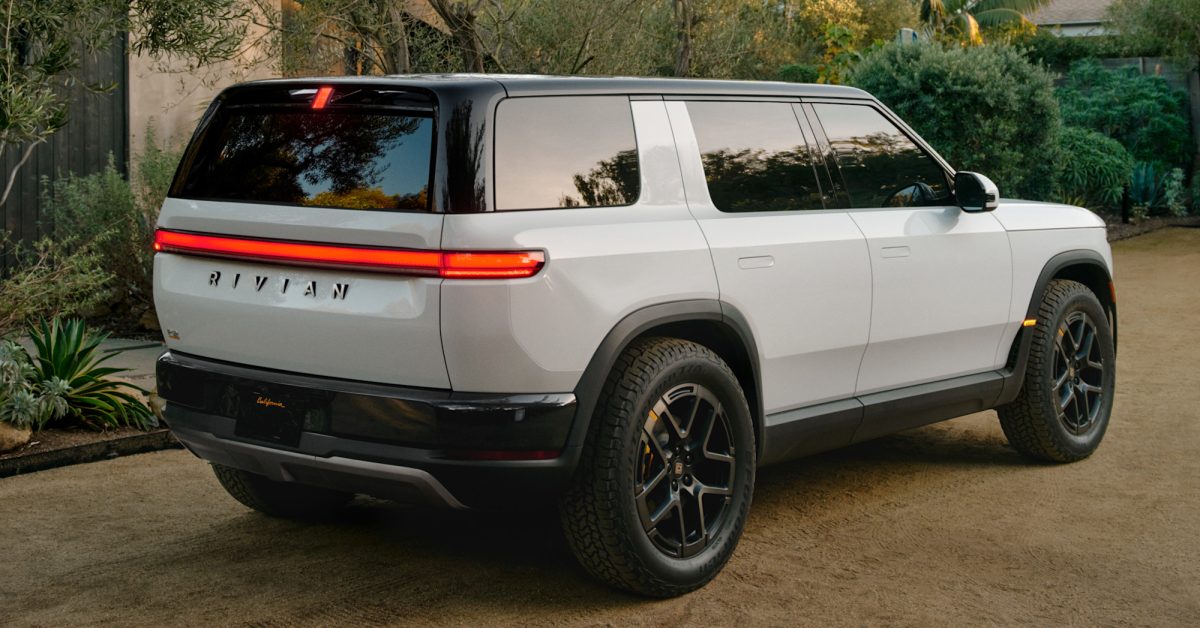
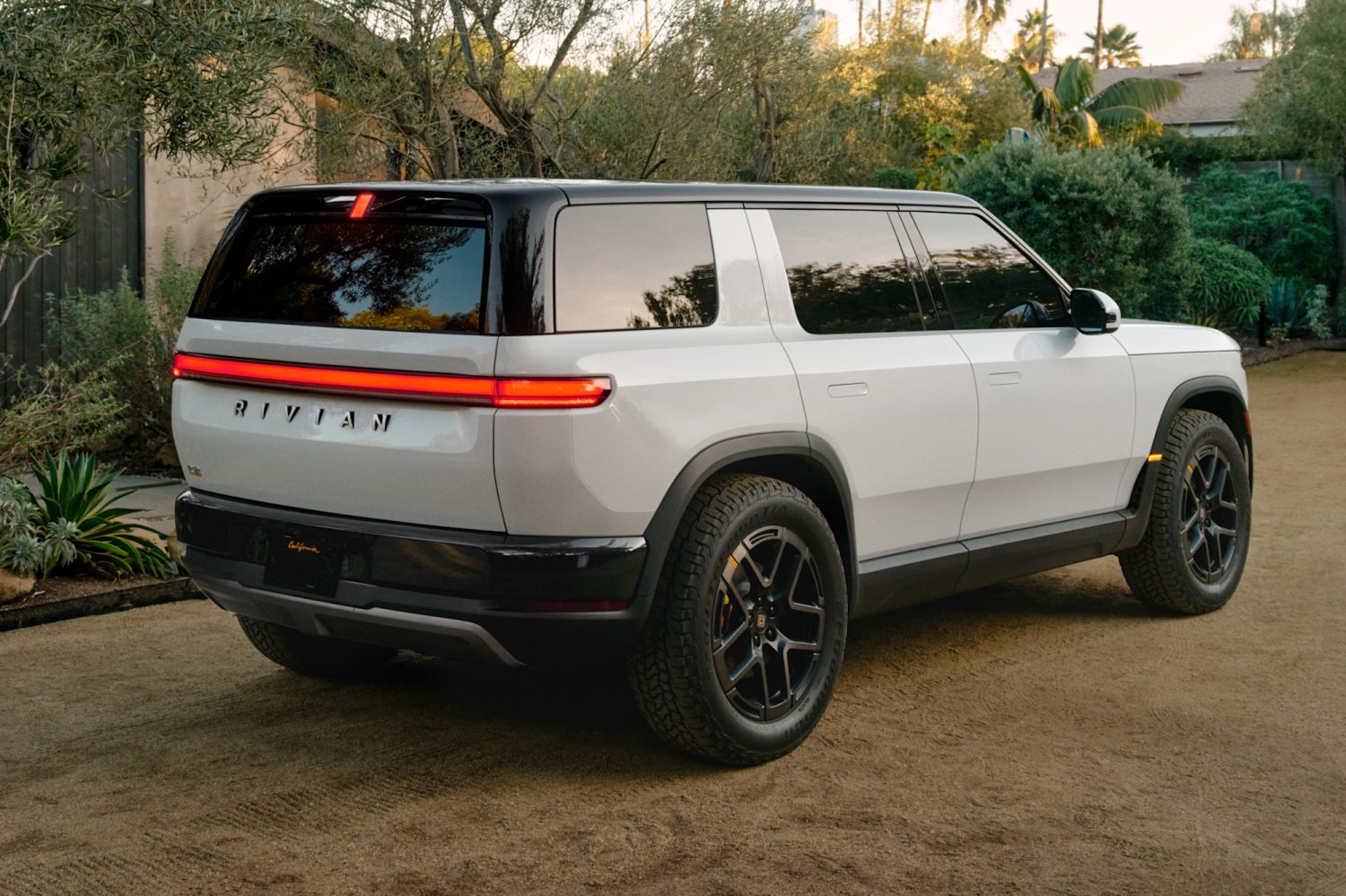
Rivian is now the #2 EV brand in the US, up from 10th last year, taking Chevrolet’s spot as almost every other automaker tries to slow down the inevitable transition to electric cars.
A Volatile Market
In the last year, the US electric car market has been volatile, to say the least.
Q3 2025 saw a huge sales jump ahead of a Republican-led effort to inflate the price of EVs by $7,500. Looking ahead to this year, a large drop in Q3 sales was inevitable, since records were set in the same quarter last year.
Sure enough, as sales numbers came in, most brands were down. This is to be expected after incentive expiry, though EV sales have been steadily recovering in the intervening months.
Part of the reason for that recovery has been a lot of oil conflicts around the world, pushing oil prices to record levels — helped along by intentional policy decisions to push them even higher. As oil prices rise, the case for electric transportation becomes all the more clear.
This has caused EV sales to shoot up in the rest of the world. Unfortunately, American access to affordable EVs has been restricted by tariffs and other barriers intended to keep Americans spending and polluting more.
EV sales could have been higher in the US, but the reason they’ve stayed depressed isn’t consumer demand — it’s that automakers are almost universally refusing to make EVs, according to research from UC Davis.
Who’s Growing — and Who Isn’t
There are a few exceptions, with Rivian as the standout among them.
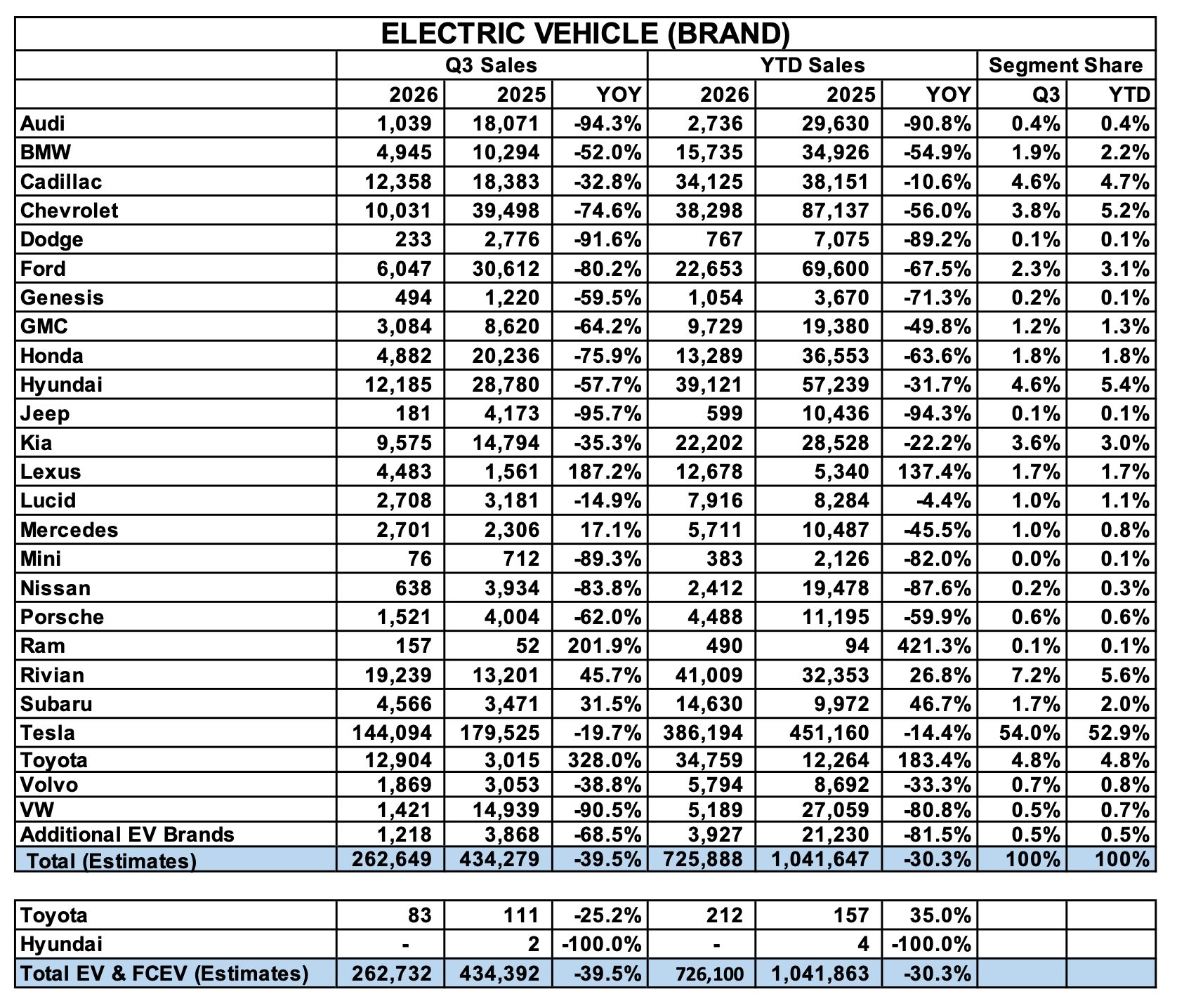
According to Cox Automotive’s Q3 sales report, almost every brand saw a decrease in EV sales in Q3, with Mercedes, Lexus, Toyota, Subaru, and Rivian as the exceptions.
Each of these brands has new models that helped lift sales. Toyota has its improved bZ and new C-HR, Lexus its new ES, Subaru its Trailseeker and Uncharted, Mercedes its CLA, and most importantly, Rivian has its R2.
Meanwhile, many brands with falling sales have cancelled models — even ones that were previously their best-sellers. Unsurprisingly, when Americans are not allowed to buy a car, they won’t buy it.
Rivian’s R2 Changes the Game
Rivian’s new R2 is a make-or-break car for the company — a much more affordable, smaller version of its R1S. It just started sales a few months ago, and Rivian hopes to ramp up production, aiming for the same market segment as the Tesla Model Y.
The Model Y remains the US’ best-selling EV, but its sales went down year over year as well. Tesla has not so much retreated from EV production as its CEO is now spending more money to harm EVs than any other person on the planet. Even with Tesla’s nearly 20% drop in sales year over year, it’s still well ahead of the rest of the pack.
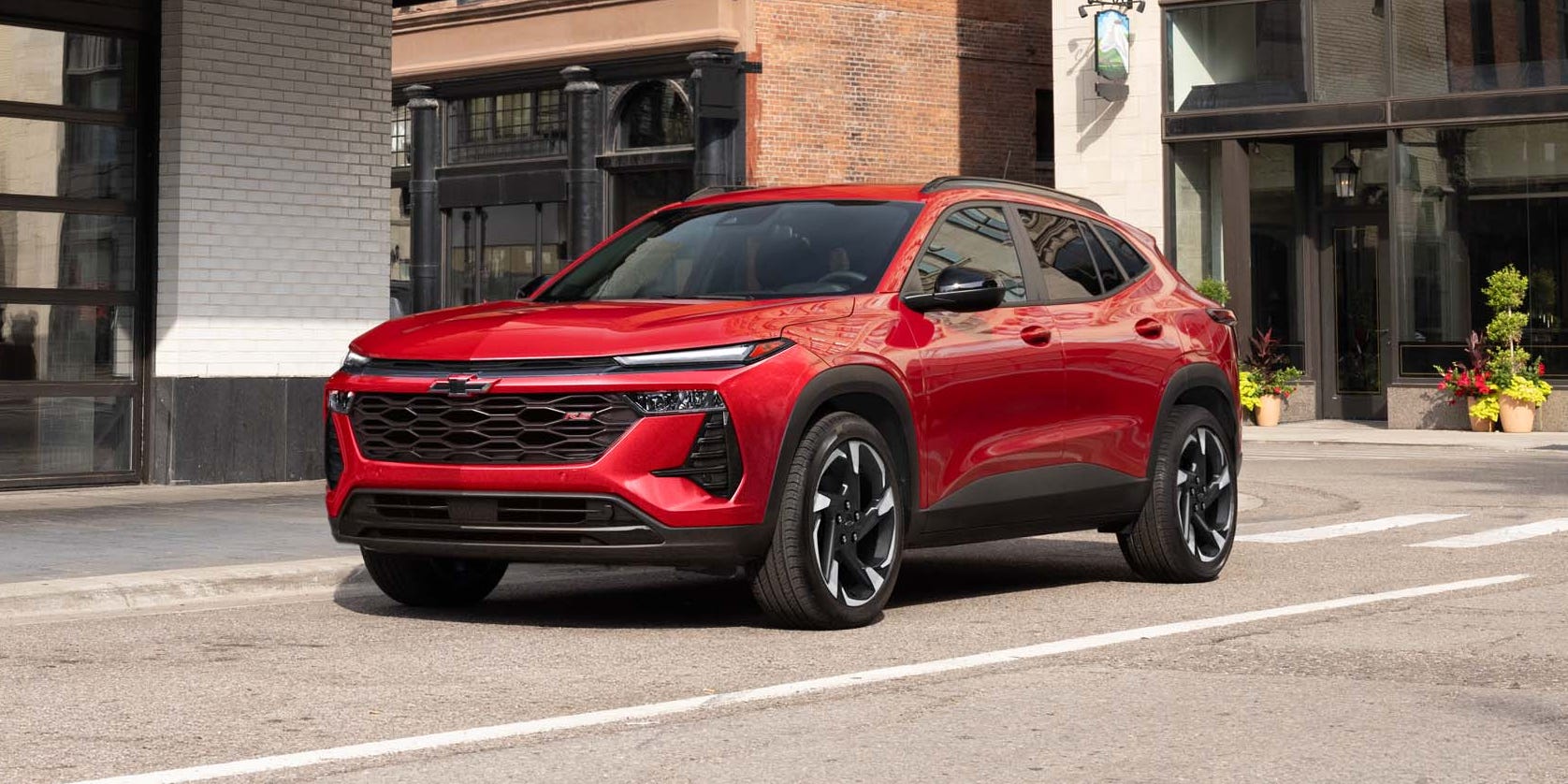
Second place used to belong to Chevy, which was proud of that distinction. It has several capable EV offerings, including the newly-improved, affordable Chevy Bolt — which is, nevertheless, being cancelled next year. GM is still second place if you combine all of its brands together, though if Rivian’s growth continues, even that may not hold.
Last year, Rivian sat all the way back in 10th place. But with its rising sales and everyone else’s retreat, Rivian has now shot up to second place in Q3, selling more EVs in the quarter than anyone except Tesla.
And that’s just at the start of R2 sales. Rivian only booked 3,456 units of the R2 in Q3 — fewer than the number of R1S units it sold. Given the R2’s much lower sticker price, once the company gets up to speed and starts offering lower-end ~$50k models, volume should climb well above R1S levels, just as the Model Y eventually dwarfed the Model X in sales.
With society moving toward greater recognition of the need to move off unreliable, polluting, foreign energy sources and onto cleaner domestic ones, Rivian is positioning itself well — while much of the rest of the auto industry appears ready to throw everything away and hand China the industry on a silver platter.