When you think about it, it’s kind of cool that computers can control a mainstream vehicle’s steering, power, and brakes in a vague facsimile of riding along with a learner driver. It’s definitely not the full Knight Rider treatment, but speed control that follows the car in front of you and hands-off lane-keeping assistance is nice to have on long, tiring highway slogs. Level 2 autonomy has its flaws, however, and a new NHTSA investigation into open-source ADAS provider Comma.ai is worth watching.
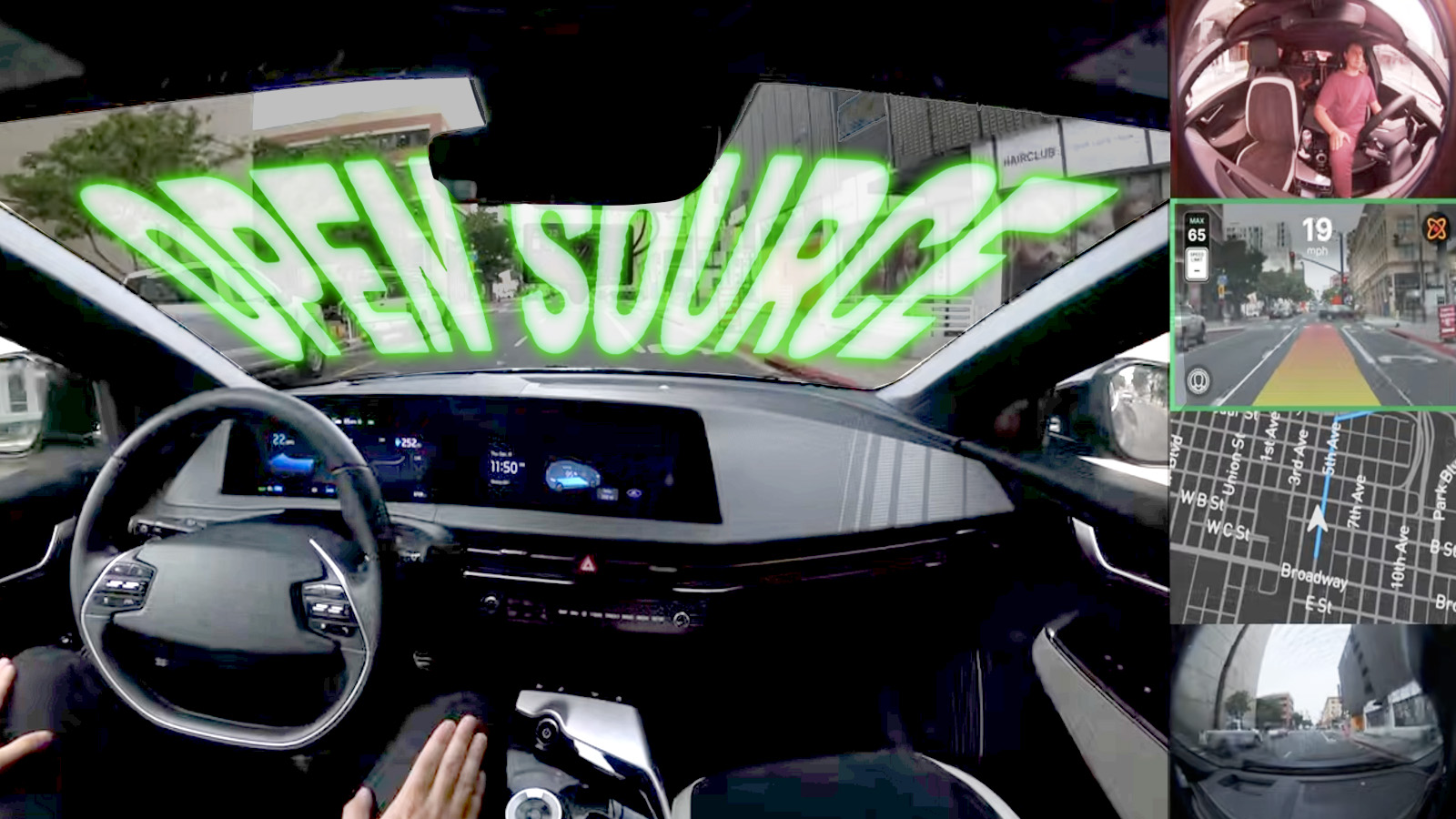
The principle behind the Comma.ai device is rather interesting: it’s a unit that takes over the steering, braking, and powertrain systems already in your modern car and promises hands-free semi-autonomous driving. Classified as a Level 2 system, it requires constant monitoring and accepts a variety of open-source driver assistance systems. Openpilot is the most popular, but several other profiles have sprung up over the years.
As this is an open-source system still in constant development, some drivers who’ve tested Comma.ai and Openpilot over the years have found limitations in the capabilities of its integrated sensor suite. In a 2026 test, tech YouTuber Linus Tech Tips found it would often travel well below the posted speed limit. In a much earlier 2020 Car and Driver test, the magazine noted drawbacks including “a too-large and unadjustable gap from cars ahead, slows substantially for curves, flashes unnecessary warnings.” It’s not all bad news, though. In 2020, Consumer Reports tested 17 manufacturer-installed advanced driver assistance systems alongside version two of the Comma.ai unit (the latest model is version four), and this little aftermarket device running Openpilot came out on top. It excelled in performance, driver engagement, and ease of use, making it a viable option for owners of older cars with primitive ADAS systems.
Unfortunately, “viable” doesn’t mean “perfect.” On Sept. 21, the National Highway Traffic Safety Administration opened an investigation into the three latest versions of the Comma.ai device after a series of serious collisions involving use of the system.
The Office of Defects Investigation (“ODI”) has identified crashes involving vehicles equipped with devices manufactured by comma.ai (“comma”) occurring under similar circumstances. ODI received notice of five (5) crashes in which vehicles with comma devices installed reportedly struck stopped or slowly moving vehicles within the same travel lane. ODI has confirmed that the systems were powered on or engaged in multiple crashes. Preliminary data reviewed by ODI suggests that the comma system may not have adequately detected or responded to the in-lane vehicles. Two crashes resulted in a total of three (3) fatalities. Four of the five crashes contributed to various non-fatal injuries, including serious injuries, to eleven (11) other individuals.
This appears to exhibit a similar failure pattern to several other advanced driver assistance systems that are or were under federal investigation. In 2025, NHTSA opened an investigation into Ford vehicles with Blue Cruise hands-free highway driving assistance after two fatal collisions in which Mustang Mach-E electric crossovers operating on Blue Cruise struck stopped vehicles on controlled-access highways. As per NHTSA:
In both fatal collisions referenced in the PE24012 opening resume, the subject Ford Mustang Mach-E vehicle was traveling over 70 mph on a controlled-access highway during nighttime lighting conditions with hands-free BlueCruise engaged when it collided with a stationary vehicle. Analysis of data imaged from the vehicles’ event data recorders demonstrates that in each incident, the driver did not apply the brakes or take evasive steering action, and no deceleration was initiated by either the BlueCruise system or PCA prior to impact. Through the agency’s crash analysis, four additional frontal collisions were identified where the subject Ford impacted a stopped or slow-moving lead vehicle or another stationary object located in the travel lane.
Earlier still, NHTSA opened an investigation into Tesla vehicles equipped with the Autopilot advanced driver assistance system for a similar but slightly different reason. According to a 2022 document, “The investigation opening was motivated by an accumulation of crashes in which Tesla vehicles, operating with Autopilot engaged, struck stationary in-road or roadside first responder vehicles tending to pre-existing collision scenes.”
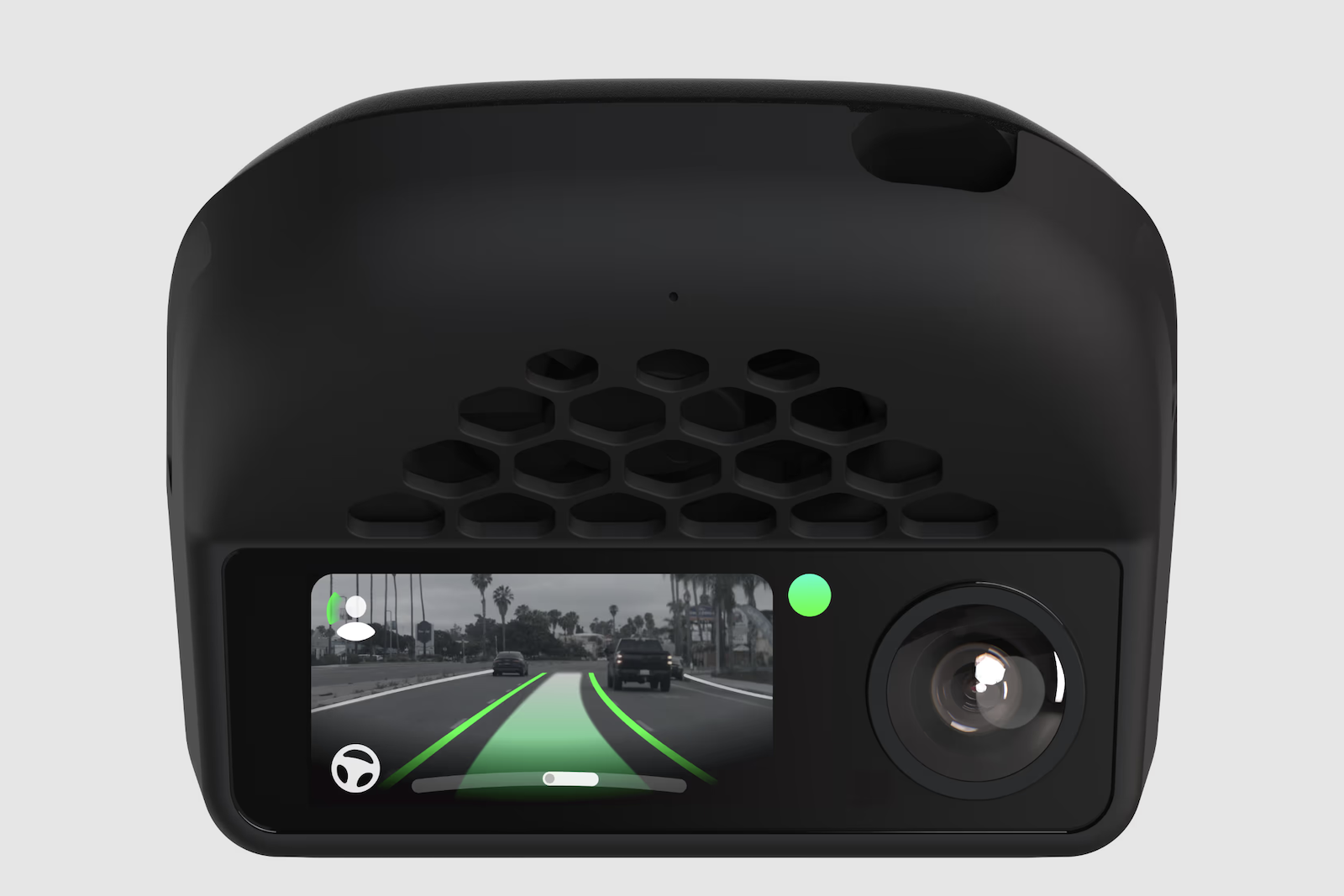 Photo credit: Comma.ai
As it stands, the Ford investigation is still ongoing, while the Tesla investigation escalated to an engineering analysis before being formally closed by a recall of more than two million vehicles. Interestingly, the Tesla recall mainly pertained to flaws in the driver monitoring system meant to track whether drivers were actually paying attention. As the recall report states, “In certain circumstances when Autosteer is engaged, the prominence and scope of the feature’s controls may not be sufficient to prevent driver misuse of the SAE Level 2 advanced driver-assistance feature.”
While a conclusion to the Comma.ai investigation is likely some way off, a possible future recall could get complicated. The difference here is that Comma isn’t an automaker — it’s a company that makes an aftermarket device running open-source software, and what this means for potential enforcement if NHTSA concludes that a fix is necessary remains to be seen.
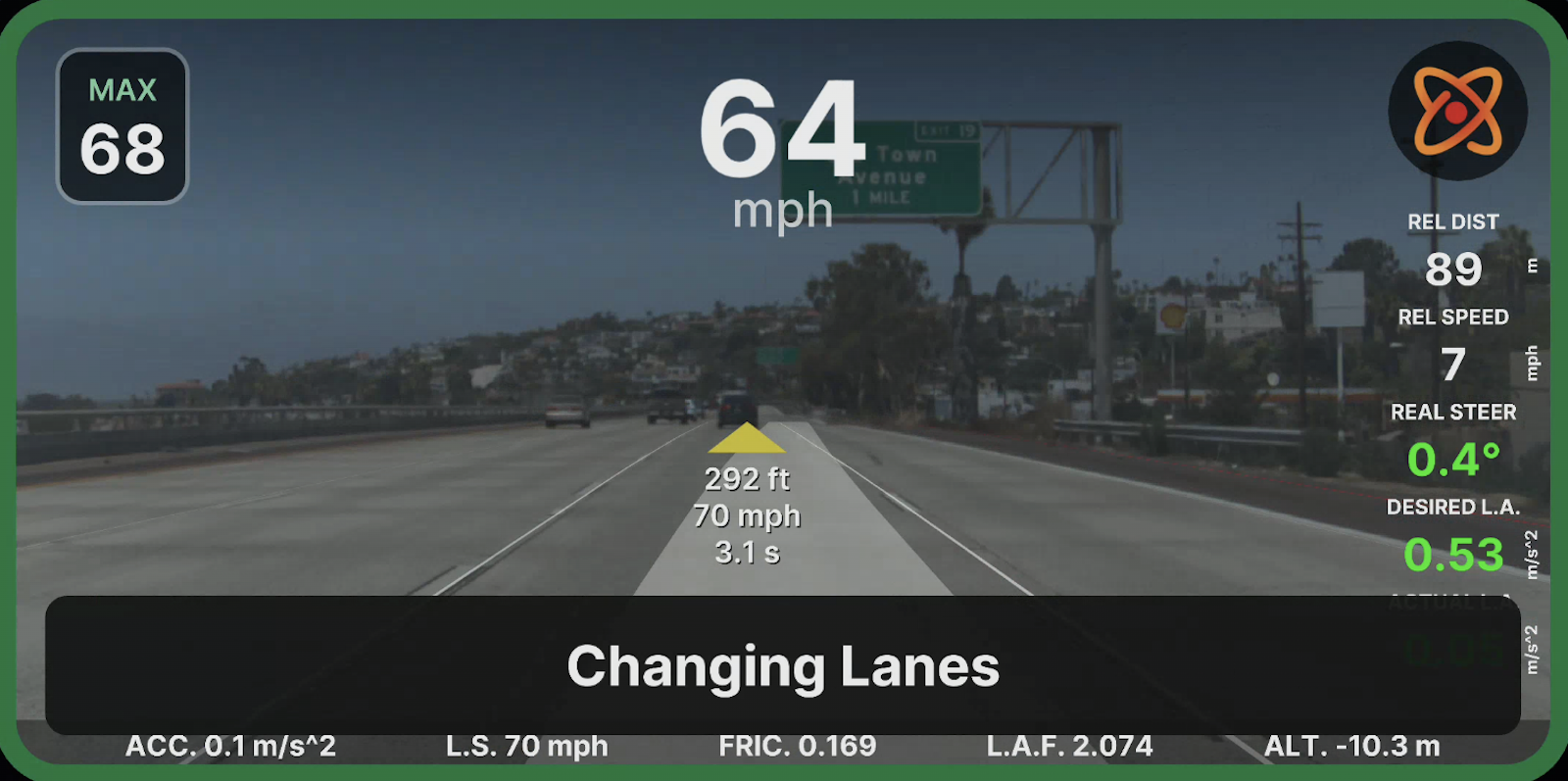 Screenshot: Sunnypilot
Open-source software presents a unique challenge in the event of a recall, because it tends to foster a fair and legal ecosystem of forks, spin-offs, and alternate versions. If the issue lies within the software itself, it may be possible to update standard Openpilot, but other forks already in development may or may not follow suit on a similar timeline. Experimental features may continue to exist, and Comma.ai doesn’t have full control over what other developers do with its open-source code.
Of course, there’s also the possibility that the NHTSA investigation finds Comma.ai’s driver monitoring system to be sufficient, and the problem to exist between the seat and the steering wheel. An inherent limitation of Level 2 ADAS is that these systems require constant monitoring, and if a driver fails to pay attention and then fails to heed the system’s warnings, the ability to safely intervene is limited across all ADAS systems. Stopping in a lane isn’t always an ideal solution because it can result in a rear-end collision; pulling over isn’t really an option if there’s no hard shoulder; and disabling driver assistance functions until the next ignition cycle probably isn’t ideal if the driver is incapacitated.
In some ways, this investigation into a small, independent ADAS company may be Level 2 autonomy’s biggest test yet, precisely because it isn’t a closed, proprietary ecosystem. Whatever NHTSA ultimately finds, the outcome will likely shape how regulators approach open-source driver assistance systems for years to come.