The XC60 Has Been Running on Borrowed Time
The second-generation Volvo XC60 has been in production since 2017. That’s a long time in a segment where rivals have refreshed, redesigned, and in some cases completely reinvented themselves. Volvo gave the XC60 a minor facelift for 2026 - new details here and there, nothing structural - but that was always going to be a holding measure, not a solution.
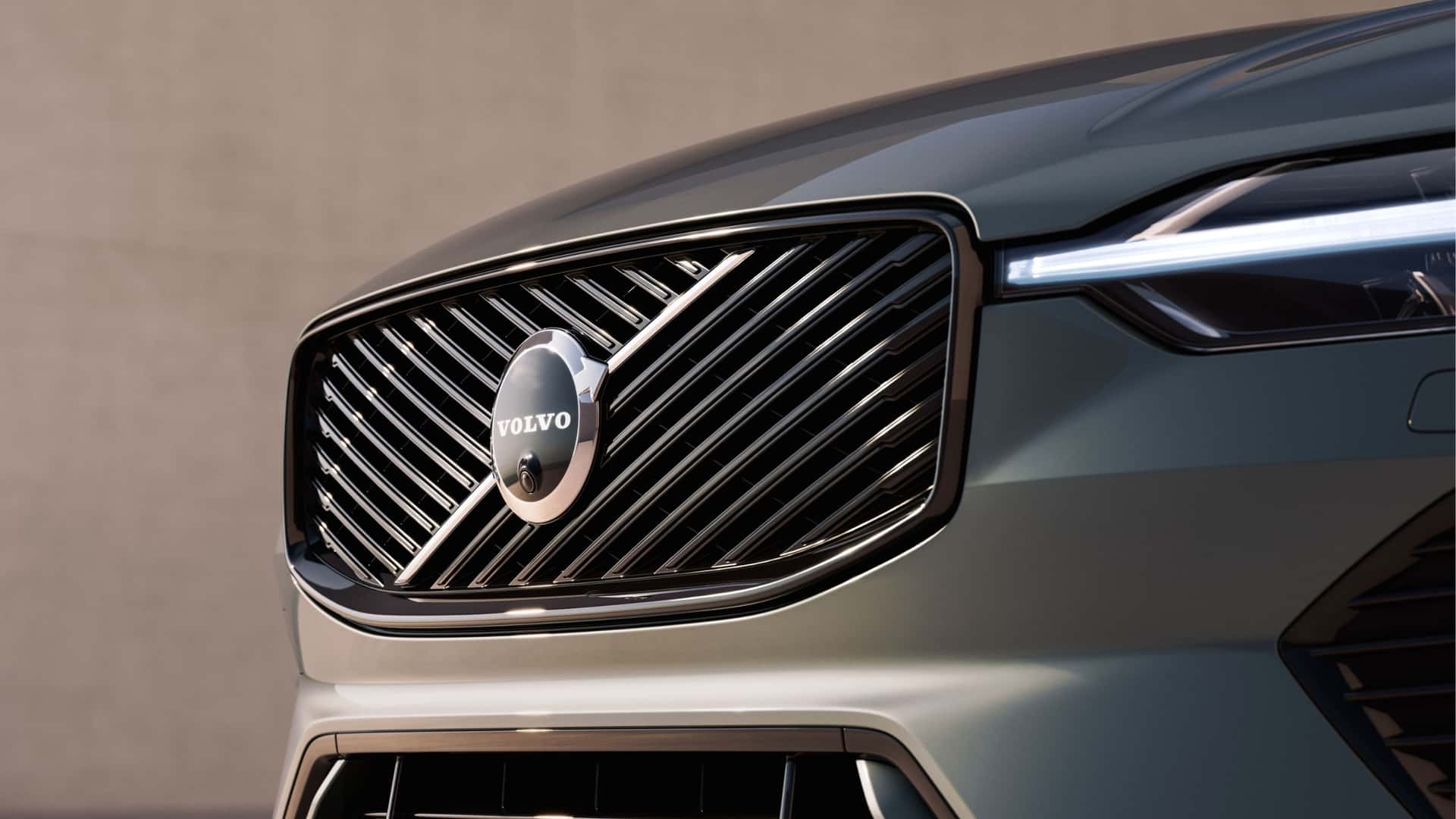
A more substantial update is now in the pipeline, reportedly targeting an early 2027 launch. According to Automotive News, the plan centers on a significantly larger battery for the T8 plug-in hybrid variant, paired with updated exterior styling that includes revised headlights and a new grille design.
The direction is clear: Volvo wants the XC60 to be a serious electric-range contender, not just a luxury SUV with a modest battery bolted on as an afterthought.
What the Battery Upgrade Actually Means
The current XC60 T8 carries an 18.8 kWh lithium-ion battery pack and delivers 35 miles of electric-only range. That figure has never been particularly impressive, even by plug-in hybrid standards - it gets the job done for short commutes, but it doesn’t change the fundamental nature of how most owners use the car day to day.
The reported upgrade would double or even triple that range, potentially pushing the XC60 close to 100 miles on battery power alone. If that number holds, it would put Volvo well ahead of the Mercedes-Benz GLC 350e, which currently offers 54 miles of electric range - itself a figure most competitors haven’t matched. Getting to 100 miles would represent a genuine shift in what a PHEV can offer in this class, essentially allowing most daily driving to happen without touching a drop of fuel.
It’s worth noting what doesn’t appear to be changing: the core powertrain architecture. The T8 currently combines a turbocharged and supercharged 2.0-liter four-cylinder engine with two electric motors, producing 455 horsepower and 523 pound-feet of torque combined. The XC60 runs 0–60 mph in 4.5 seconds in that configuration. Whether Volvo intends to alter those outputs alongside the battery expansion remains unclear, as does whether any other powertrain configurations will be offered in the refreshed model.
The focus, for now, appears squarely on range.
Design Changes: Incremental or Meaningful?
The exterior updates - new headlights, a new grille - sound modest on paper. But Volvo’s design language has evolved considerably over the past several years, and the XC60’s current face, however handsome, reads as a product of its era. A front-end revision done with intention could meaningfully update the car’s presence without requiring a full-platform overhaul.
Volvo hasn’t confirmed what the interior will look like, or whether the tech stack will be updated alongside the bodywork.
What’s telling is the timing. A 2027 launch would mean Volvo is stretching this generation of XC60 into its tenth year of production. That’s a significant commitment to a platform, and the company presumably wouldn’t bother with new headlights and a grille if the underlying vehicle weren’t still commercially strong. The XC60 is Volvo’s best-selling model globally - that status buys the car continued investment even as newer architectures emerge elsewhere in the lineup.
Price Will Follow the Battery
The 2026 XC60 PHEV starts at $62,545. A larger battery, redesigned front end, and presumably updated software won’t come without a price adjustment. The exact figure is unknown, but expecting the refreshed model to open above $65,000 seems reasonable, and it could climb higher depending on how much of the car Volvo ends up touching.
That pricing would put it in direct competition with the GLC 350e and the BMW X3 xDrive30e, both of which are moving toward more capable electrified powertrains of their own. The luxury PHEV SUV space is becoming more competitive by the quarter, and Volvo’s move to push electric range aggressively is a direct response to that pressure.
For buyers who have been waiting on the XC60 - either because of its age or its limited electric range - 2027 becomes the more logical entry point. The 2026 model is a transitional product, useful and well-made but clearly a stepping stone to something the company is still building toward.
Why 100 Miles Changes the Conversation
There’s a meaningful psychological and practical difference between a 35-mile electric range and something approaching 100. At 35 miles, a PHEV covers most city commutes on battery alone, but weekend trips or longer drives revert almost entirely to combustion power. Double the range and you change that calculation significantly - owners start planning routes differently, charging habits develop, and the car begins to function less like a traditional SUV with an electric assist and more like a vehicle that genuinely reduces fuel dependency.
European emissions regulations have been pushing automakers toward exactly this kind of upgrade, and Volvo - headquartered in Gothenburg, Sweden, with a large portion of its sales in Europe - has particular incentive to improve those figures. The 100-mile figure, if achieved, would also position the XC60 T8 more favorably against fully electric alternatives in markets where range anxiety remains a concern.
The XC60 isn’t being replaced. It’s being extended, refined, and asked to do more. Whether the refresh arrives early in 2027 as reported, or slips later in the year, the shape of the upgrade is now visible enough to matter to anyone shopping in this segment today.
The current 2026 XC60 PHEV starts at $62,545 - and whatever comes next will cost more.