The FTC Just Named Names
In March, the Federal Trade Commission sent warning letters to 97 car dealerships across the United States, flagging what it described as potentially “deceptive pricing” practices. The agency kept the recipient list private at the time. Then, in late May, it released every name - and the roster runs from small regional operations to some of the most recognizable dealer groups in the country.
The letters were not charges, lawsuits, or formal findings of guilt. What they were, by the FTC’s own description, was a push for dealers to take a hard look at how they advertise prices - specifically whether those prices reflect what a customer will actually pay when they walk out the door with keys in hand.
What the Letters Actually Say
The FTC framed its outreach around a single principle: advertised prices should be “transparent and truthful.” The letters warned dealers that they may be promoting prices “lower than what you actually charge consumers” - a practice the agency considers potentially illegal under existing consumer protection rules.
The specific behaviors flagged in the letters cover a range of scenarios that shoppers will find grimly familiar. The FTC called out advertising a price that excludes required fees, making the advertised price conditional on the buyer using dealer-arranged financing, and promoting vehicles that don’t actually exist or aren’t available. Each of those practices, the agency argues, distorts the real cost of buying a vehicle before a consumer ever sets foot on the lot.
The FTC was deliberate about the scope of these letters. The agency wrote directly: “This letter is not intended to be a comprehensive statement of concerns that may exist about your dealership or dealership group. Nor is it intended to represent any conclusions on whether your dealership or dealership group is engaging in these practices.” Receiving a letter does not establish wrongdoing. What it does establish is that the FTC had reason enough to make contact.
The Names on the List
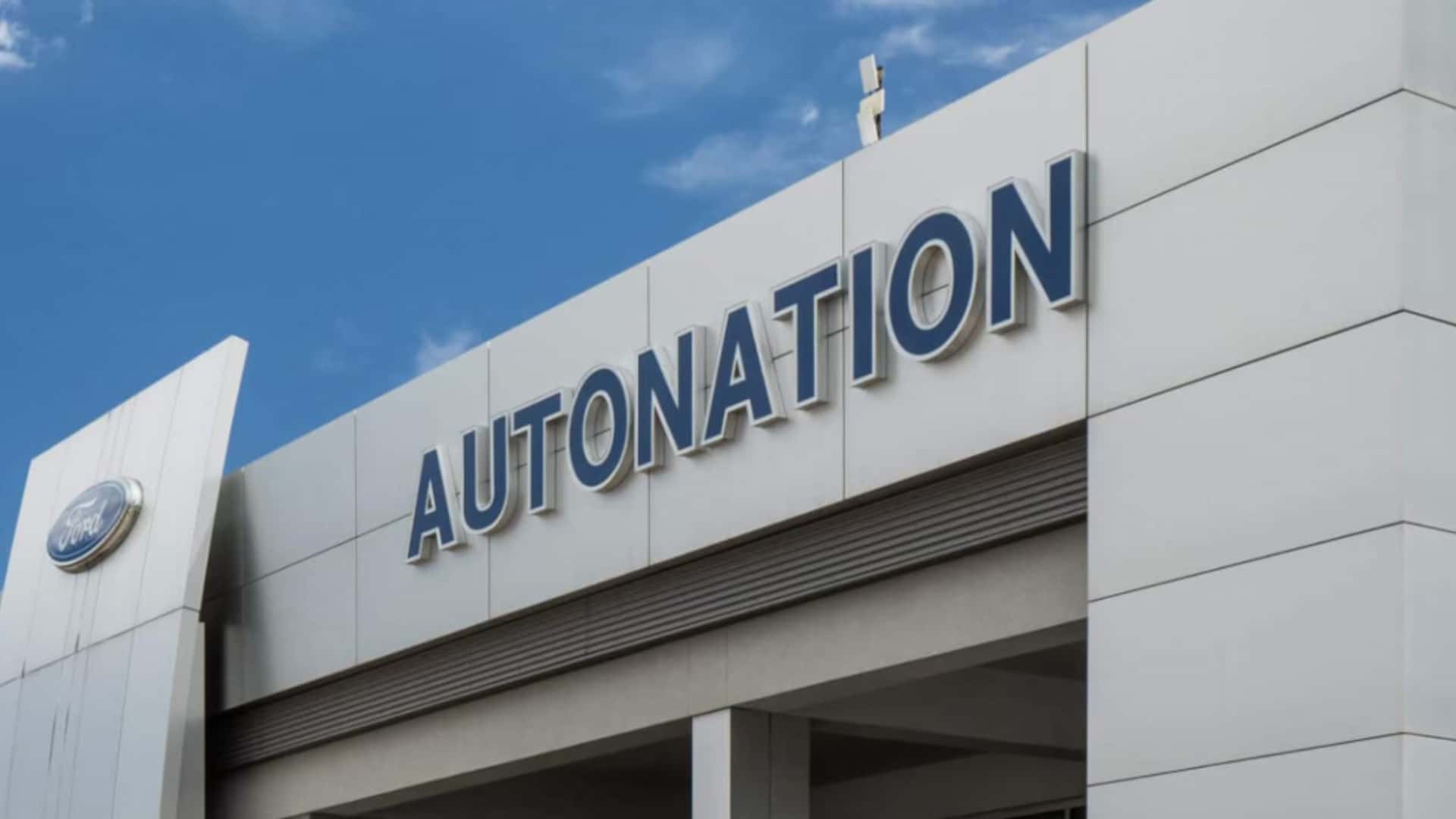
The full list of 97 dealerships and dealer groups that received letters spans national chains and local independents alike. At the top end of the scale, Lithia Motors, AutoNation, and Hendrick Automotive Group - three of the largest automotive retail organizations in the United States - were among those contacted.
Several major regional groups also appear: Group 1 Automotive, Sonic Automotive, Berkshire Hathaway Automotive, Ken Garff Automotive Group, Ken Ganley Automotive Group, Morgan Auto Group, Ourisman Automotive Group, Mac Haik Auto Group, Findlay Automotive Group, Safford Automotive Group, Greenway Auto Group, and Holman, among others.
The full list of recipients includes: Aaron Chrysler Dodge Jeep Ram, Adzam Inc. dba Doug’s Lynnwood Mazda, AutoNation Inc., Autopia Motorcars, Benson’s Ingram Park Chrysler Jeep Dodge Ram, Berkshire Hathaway Automotive, Best Price Dealer, Bud Clary Auto Group, California Beemers Inc., California Motors Direct, Capital Auto Mall Premier, Cardinal Buick GMC, Cardinale Automotive Group, CarHub, Cincy Automall, City Kia of Greater Orlando, Clay Cooley Auto Group, Encore Chrysler Dodge Jeep Ram, Fayetteville Dodge Ram, Findlay Automotive Group, Fontana Motors Direct, Ford of Elizabethton, Frisco Chrysler Dodge Jeep Ram, Gettel Automotive, Gilroy Chrysler Dodge Jeep Ram, Greenway Auto Group, Group 1 Automotive Inc., Hanna Imports, Hardin Buick Pontiac GMC, Hayes Chrysler Dodge Jeep of Gainesville, Headquarter Hyundai, Hendrick Automotive Group, Hiley Automotive Group, Holman, Honda of Downtown Chicago, Honda of Manhasset, Houston Direct Auto, Huntley Ford, Hyundai of El Cajon, Hyundai Stockton, Integrity Automotive/MCS Integrity Co Inc., Jack Phelan Chrysler Dodge Jeep RAM, Jeff Wyler Automotive, Jim Keras Automotive, John Sisson Mercedes Benz, John Sisson Motors, John Sisson Nissan, Ken Ganley Automotive Group, Ken Garff Automotive Group, Killeen Hyundai, King of Jamaica Auto Inc., Lancaster Mitsubishi, Legend Auto Sales, Liberty Nissan, Lithia Motors Inc., Lokey Automotive Group, Mac Haik Auto Group, McGrath Acura of Downtown Chicago, McGrath Acura of Libertyville, McGrath Arlington Kia, Miami Lakes Chevrolet, Midlands Volkswagen of Columbia, Morgan Auto Group LLC, Nissan of Cool Springs, Noller Auto Group, NorthStar Kia, Old Orchard Nissan, Orr Auto Group, Ourisman Automotive Group, Page Honda of Bloomfield, Page Toyota, Prestige Imports Lamborghini Miami, Rairdon’s Honda of Burien, Red McCombs Motors Ltd., Route 23 Nissan, Route 46 Auto Group, Safford Automotive Group, Sanford Imports, Serra Chevrolet Buick GMC of Nashville, Serra Honda, Serra Kia of Trussville, Serra Toyota, Serramonte Subaru, Seth Wadley Auto Group, Sonic Automotive, South Shore Nissan, South Team Automall, Stream Auto Outlet, Superior Ford Inc., and Supreme.
Why This Matters Beyond the List Itself
Advertised price manipulation has been a slow-burn frustration for car buyers for years. The gap between a price listed online and the final out-the-door figure - once documentation fees, dealer add-ons, and financing conditions are layered in - can run into the thousands of dollars. The FTC’s letters signal that the agency is paying close attention to where that gap originates: in the advertising itself, before the negotiation even starts.
Conditioning a discount on dealer-arranged financing is worth examining more closely as a practice. A buyer who qualifies for a lower advertised price only by accepting the dealer’s financing - rather than their own pre-approved loan - may end up paying more over the life of that loan than the initial price reduction was worth. The FTC considers that kind of conditional pricing a potential violation.
The letters also raise a less-discussed issue: advertising vehicles that don’t exist or are unavailable. That tactic pulls shoppers onto lots under false pretenses, where the actual inventory - and its actual pricing - may look nothing like what drove them there in the first place.
What Happens Next
The FTC’s March letters were described as encouragement for dealers to review and correct their own practices. Whether any of the 97 recipients face formal enforcement action is a separate question the agency has not yet answered publicly.
For buyers currently in the market, the list doesn’t function as a blacklist - a letter is not a conviction, and some of the named dealers may have already adjusted their practices or may contest the characterization entirely. What the list does provide is context: these are businesses the federal government’s primary consumer protection agency found worth contacting about how they present prices to the public.
The FTC’s stated goal in all of this is straightforward. It wants the price a consumer sees in an advertisement to be the price - or as close to it as legally required disclosures allow - before they ever walk through a showroom door.
Prestige Imports Lamborghini Miami was among the 97 contacted. So was Best Price Dealer.